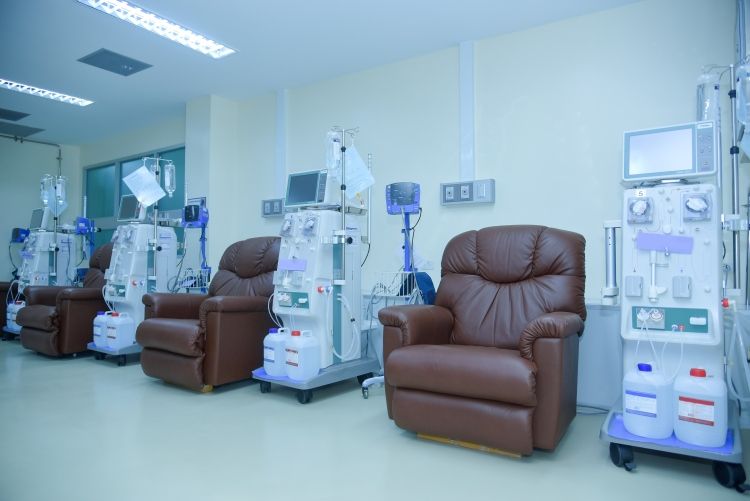
For nursing home residents living with end-stage kidney disease (ESKD), maintaining a consistent dialysis schedule is crucial for health and quality of life. Residents typically have two options: traveling to an external dialysis clinic for treatment or receiving dialysis on-site at a skilled nursing facility. Understanding the pros and considerations of each approach can help residents and families make informed decisions.
Understanding Dialysis for Nursing Home Residents
Dialysis is a life-sustaining therapy for individuals whose kidneys can no longer effectively filter waste and excess fluids from the blood. The two main types are hemodialysis and peritoneal dialysis.
- Hemodialysis (HD) draws blood, filters it through a dialyzer (an artificial kidney), and returns it to the body. Sessions are typically about four hours, three times per week, and require a vascular access point such as a fistula, graft, or catheter.
- Peritoneal dialysis (PD) introduces a cleansing solution into the abdominal cavity, where the peritoneal membrane filters waste. PD is often performed at home, either manually during the day or automatically at night.
Many nursing home residents rely on hemodialysis, which can be delivered either off-site or on-site.
Option 1: Off-Site Dialysis with Transportation and Coordination
Most skilled nursing facilities provide dialysis transportation and care coordination for residents traveling to external dialysis clinics. Key considerations for off-site dialysis include:
- Scheduling and Transportation: Ensuring residents reach the clinic on time for all sessions is critical, as missed treatments can lead to serious complications.
- Monitoring and Communication: Nursing staff coordinate with the renal services team regarding medications, dietary restrictions, and any potential complications.
- Resident Comfort: Traveling multiple times per week can be tiring, but structured support and familiar staff can help ease the process.
With proper coordination, residents can safely maintain their dialysis schedule and access the full range of renal services offered at specialized dialysis clinics.
Option 2: On-Site Dialysis at Skilled Nursing Facilities
Some skilled nursing facilities have begun offering dialysis on-site. This approach provides several benefits:
- Less Travel, More Time: Residents avoid long commutes, freeing time for meals, therapy, and recreational activities.
- Consistency: On-site hemodialysis ensures regular, reliable treatments and reduces the risk of missed sessions.
- Improved Outcomes: Research shows that nursing home residents receiving on-site dialysis experience better care coordination, which can support reduced hospitalizations. (Bellin et al., Kidney360, 2024)
- Comfortable Environment: Receiving dialysis in a familiar, safe setting can reduce stress and improve overall well-being, especially for long term residents or those recovering from surgery or injury.
Facilities offering in-house dialysis may partner with certified providers or employ trained nurses to deliver treatments while complying with regulatory guidelines.
What Skilled Nursing Facility Staff Should Know
Skilled nursing facility staff play a critical role in supporting residents who require dialysis. Key considerations include:
- Scheduling and Coordination: Ensure residents attend all sessions and communicate with renal services providers regarding timing and transportation if needed.
- Monitoring for Complications: Staff should watch for infection at access sites, hypotension, fluid overload, and other dialysis-related issues. Prompt reporting to healthcare providers is essential.
- Dietary Management: Dialysis patients have specific dietary restrictions, including limits on sodium, potassium, phosphorus, and fluids. Staff should collaborate with dietitians to ensure meals meet these requirements.
- Medication Administration: Many medications may be adjusted or administered during hemodialysis sessions, so accurate communication with the renal services team is vital.
Choosing the Right Approach
The decision between off-site dialysis with transportation and on-site dialysis depends on the resident’s medical needs, mobility, and personal preference. Families and nursing home staff should consider:
- Frequency and stability of dialysis needs
- Resident mobility and tolerance for travel
- Availability of in-house dialysis programs
- Coordination of medications, dietary needs, and other therapies
By understanding the benefits and logistics of both approaches, choosing the right nursing home can provide residents with safe, effective dialysis while maintaining quality of life.
Supporting Kidney Health
Dialysis in nursing homes can be delivered in multiple ways to meet the needs of residents with kidney disease. Whether through coordinated trips to a dialysis clinic or in-house hemodialysis programs, skilled nursing facilities aim to provide reliable renal services, support consistent treatment, and improve residents’ overall well-being.
Get in Touch
Learn more about how RenalX at Willow Springs supports personalized care for patients in Brick, NJ. Contact us today to schedule a tour or speak with a member of our care team.